
© DR
EVENT
Gustav Machatý, the filmmaker of girls without artifice
POSTED ON 13.10.2026
Gustav Machatý, the filmmaker of girls without artifice. “In Praise of Young Women” is another title that could have been given to the triptych of films that Lumière is spotlighting by Czech filmmaker Gustav Machatý, spanning the era between silent and sound cinema.
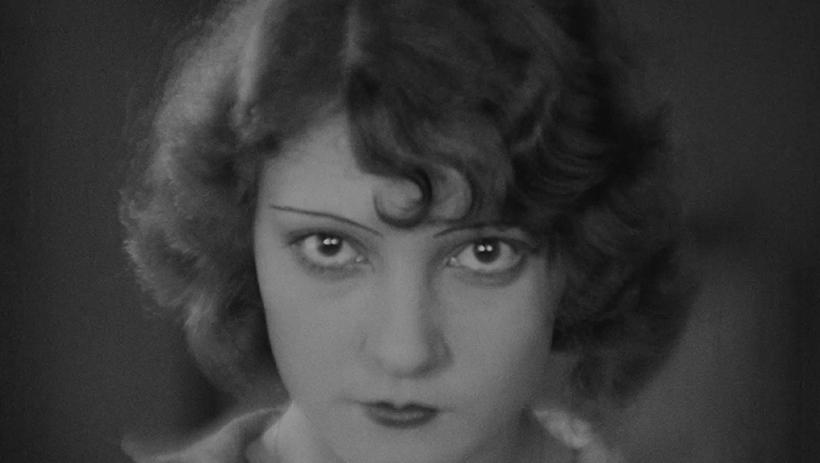
Machatý, born in 1901 in Prague and deceased in 1963, was fascinated by women’s faces, filming them in extreme close-up, capturing their desire, their expectations and their zest for life, accompanied by a certain grave solemnity. This tragic aspect was counterbalanced with a highly addictive sense of epic lyricism, doubtless acquired from Erich von Stroheim during his Hollywood sojourn. One is immediately drawn into the worlds of these heroines, who come alive in three magnificent works: Erotikon (1929), From Saturday to Sunday (1931) and Ecstasy (1933).
Machatý achieved worldwide notoriety with Ecstasy, along with actress Hedi Lamarr. The iconic scene from this œuvre, which encapsulates the all-consuming lust of Eva, a young woman trapped in an unhappy marriage, remains to this day one of the most blissful scenes of pure sexual and emotional intensity in the history of cinema. Languishing on the bed with her negligee softly billowing in the wind, Lamarr gives a performance without restraint. She is an ode to life itself, a concept that never goes out of style.
Erotikon and From Saturday to Sunday, more subtle, yet no less powerful, are also hymns to love, where two young girls flutter like frantic butterflies under the gaze of a young man who is equally enamored and touched. There is a profound sense of emotion observing these young faces with their misty-eyed expressions, longing to be able to speak. This is heightened by the sound, which hovers in the void between silent flicks and talkies. Music in Machatý’s œuvre serves as a dialogue: the beating of hearts, the chaotic rhythms of breathing, pulsating through the narrative like a human voice. The Czech director knew how to wield it so well that the transition to talkies was seamless for him; dialogue was simply another form of music. After all, Machatý was, from a very young age, a pianist and actor, as well as an editor, producer, screenwriter and auteur of a body of work comprising of seventeen films between 1919 and 1955, all highlighting an invariably poignant theme: the giving of oneself.
Virginie Apiou