
© DR
INTERVIEW
Maelle Arnaud on Norman Jewison
POSTED LE 12.10.2026
Maelle Arnaud, the Director of Programming of the festival, on Norman Jewison
Why Jewison ?
We continue our journey through American cinema of the ’60s, ’70s and even the ’80s. When it comes to Jewison, many people are familiar with his films, but few associate his name with them. Screening them together highlights to what extent he was eclectic. As a viewer, you can enjoy diving into a wide array of genres, from hippie musicals to romantic comedies to crime thrillers… Jewison had fun trying his hand at everything. He never forgot the comedies of his early days, always slipping in touches of humor and dancing in his films. He’s also a filmmaker whose movies weren’t available in many languages. Few Jewison films were available in DCP in their original version with French subtitles. So a whole set of materials was created for the festival; materials that will be available and can be distributed to any cinema that wants to screen them. The festival is a cultural event, but we’re also focused on establishing connections afterward.
Which is your favorite Jewison film ?
…And Justice for All because Serpico is the picture’s double and one of my top ten favorite films. It’s always compelling to see how American cinema has served as this strong voice for challenging the noble powers of justice, and in this case, it goes too far. It fascinates me. Resistance is fragile, as we see in this film, and Al Pacino embodies that resistance in a dynamic way. And then there’s Lee Strasberg, who plays his grandfather. It’s very touching, because Jewison trained generations of legendary actors.
Why is it important to present a retrospective?
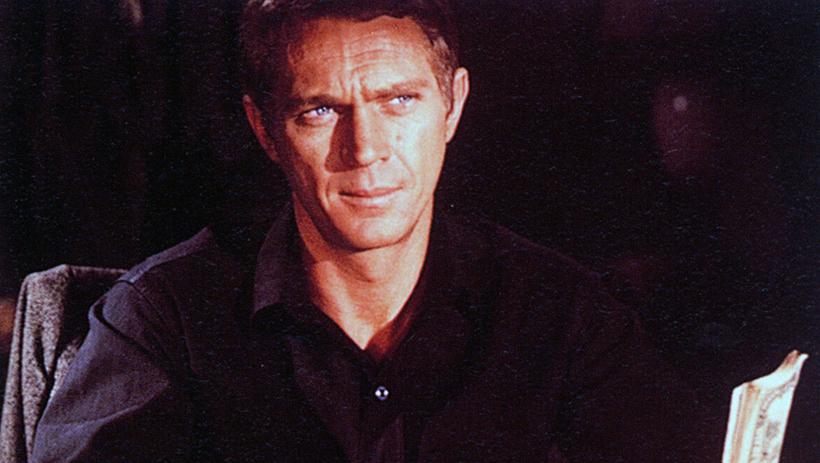
It’s like suddenly connecting films that are as different as In the Heat of the Night, Jesus Christ Superstar, Rollerball, and The Cincinnati Kid! Screening these films as part of a retrospective is fascinating for a viewer who will want to see them all and look for a common thread. This diversity spanning several decades is incredibly enriching, if only because of the social issues addressed in every possible way by this remarkable filmmaker.
We extend our thanks to the American studios (Sony/Columbia, MGM, Universal Pictures and their representative Park Circus) for their support in creating French-subtitled material screened exclusively at the festival.